
When buying USDT or USDC with Naira, non-custodial means the purchased crypto is delivered to your own compatible wallet instead of being kept in a customer balance on the buying platform.
For Nigerians using Muno, the buy route works through a one-time virtual account. After the payment is confirmed, Muno delivers the purchased USDT or USDC to the wallet you provide. Muno does not maintain a customer crypto balance between transactions.
That answers the main custody question, but there are several practical details to understand before paying: the asset you selected, the Solana network, your destination wallet and the payment instructions for the current purchase.
What does non-custodial mean in crypto?
In crypto, custody describes who controls the wallet infrastructure and the credentials needed to move an asset.
A custodial service holds crypto on behalf of its customers. You may see a balance in your account, but the service controls the underlying wallet arrangements. Moving the asset may require you to request a withdrawal through that platform.
A non-custodial service follows a different model. Rather than keeping your purchased crypto in a standing platform balance, it sends the asset to a wallet you specify for that transaction.
In plain language:
- Custodial: the platform keeps a crypto balance for you.
- Non-custodial: the purchased crypto is sent to your own wallet.
- Your responsibility: you must provide a compatible wallet and protect access to it.
Non-custodial does not mean that no checks are required. You still need to select the correct asset, use the supported network and follow the current payment and transaction instructions.
Is buying USDT with Naira through Muno custodial?
Muno’s buy route is non-custodial. Muno supports buying USDT and USDC with Naira in Nigeria, and the purchased crypto is delivered to the customer’s own wallet after payment confirmation.
Muno does not maintain a customer crypto balance between transactions. In other words, the USDT or USDC you purchase is not intended to remain in a Muno wallet for you to withdraw later.
The route can be summarised as:
Choose USDT or USDC → pay through the one-time virtual account → payment is confirmed → crypto is delivered to your wallet
This is different from buying crypto and leaving it inside an exchange account. Your destination wallet is part of the purchase process, so it should be ready and compatible before you pay.
Where does Muno send purchased USDT or USDC?
Muno sends purchased USDT or USDC to the destination wallet you provide for the transaction.
The wallet must support the selected asset on the supported network. Muno currently supports USDT and USDC as SPL tokens on Solana. Therefore, it is not enough for a wallet to support crypto generally or to display a USDT or USDC symbol. It must support the relevant Solana-based asset.
Before beginning a purchase, check:
- Whether you are buying USDT or USDC.
- Whether the destination wallet supports Solana.
- Whether it supports the selected token as an SPL asset.
- Whether the wallet address you provide is the one you intend to use.
- Whether the current Muno purchase instructions match your wallet details.
The wallet compatibility guide for SPL USDT and USDC provides a more focused checklist for this step.
Do you need your own wallet to buy USDT or USDC?
Yes. For a non-custodial purchase, you need access to a compatible destination wallet because the purchased crypto is delivered there after payment confirmation.
This could be a wallet you control directly or another wallet destination you intentionally use, provided it supports the selected asset and network. What matters is that you understand where the crypto is being sent and that you can access the destination after delivery.
You should not begin by paying first and searching for a compatible wallet later. A wallet that supports USDT on one network may not support USDT on another. The same consideration applies to USDC.
Wallet ownership also comes with responsibility. Keep your wallet access and recovery information private. Do not share recovery details, private keys or authentication credentials with anyone claiming to help complete the purchase.
How does Muno’s one-time virtual account work?
Muno’s buy route uses a one-time virtual account rather than asking you to pay directly to a P2P seller.
The account is created for the specific purchase. You use the payment instructions shown for that transaction, and Muno processes the purchase after the payment is confirmed. The purchased USDT or USDC is then delivered to the destination wallet provided for the order.
This gives the payment and crypto delivery sides of the purchase separate, clearly defined roles:
- The buyer pays Naira using the current transaction instructions.
- The selected crypto is delivered to the buyer’s wallet.
- The purchase does not create a permanent Muno crypto balance for the customer.
You can learn more in What Is a One-Time Virtual Account for Buying USDT in Nigeria?.
A one-time virtual account should not be treated as reusable payment information. Always use the instructions displayed for the current purchase rather than relying on details saved from an earlier transaction.
What is the difference between a custodial and non-custodial purchase?
The clearest difference is where the crypto sits after the purchase.
| Custodial purchase | Non-custodial purchase |
|---|---|
| Crypto is credited to a platform balance | Crypto is delivered to a wallet you provide |
| The platform maintains the customer balance | The service does not maintain a customer crypto balance between transactions |
| A later withdrawal may be needed | The destination wallet is part of the purchase route |
| Platform account access is central to the balance | The buyer remains responsible for wallet access |
Neither label removes the need for careful checking. A custodial service still requires account security, while a non-custodial purchase still requires an accurate wallet and supported network.
For Muno buyers, the important distinction is that Muno does not keep the purchased USDT or USDC as a standing customer balance after the transaction.
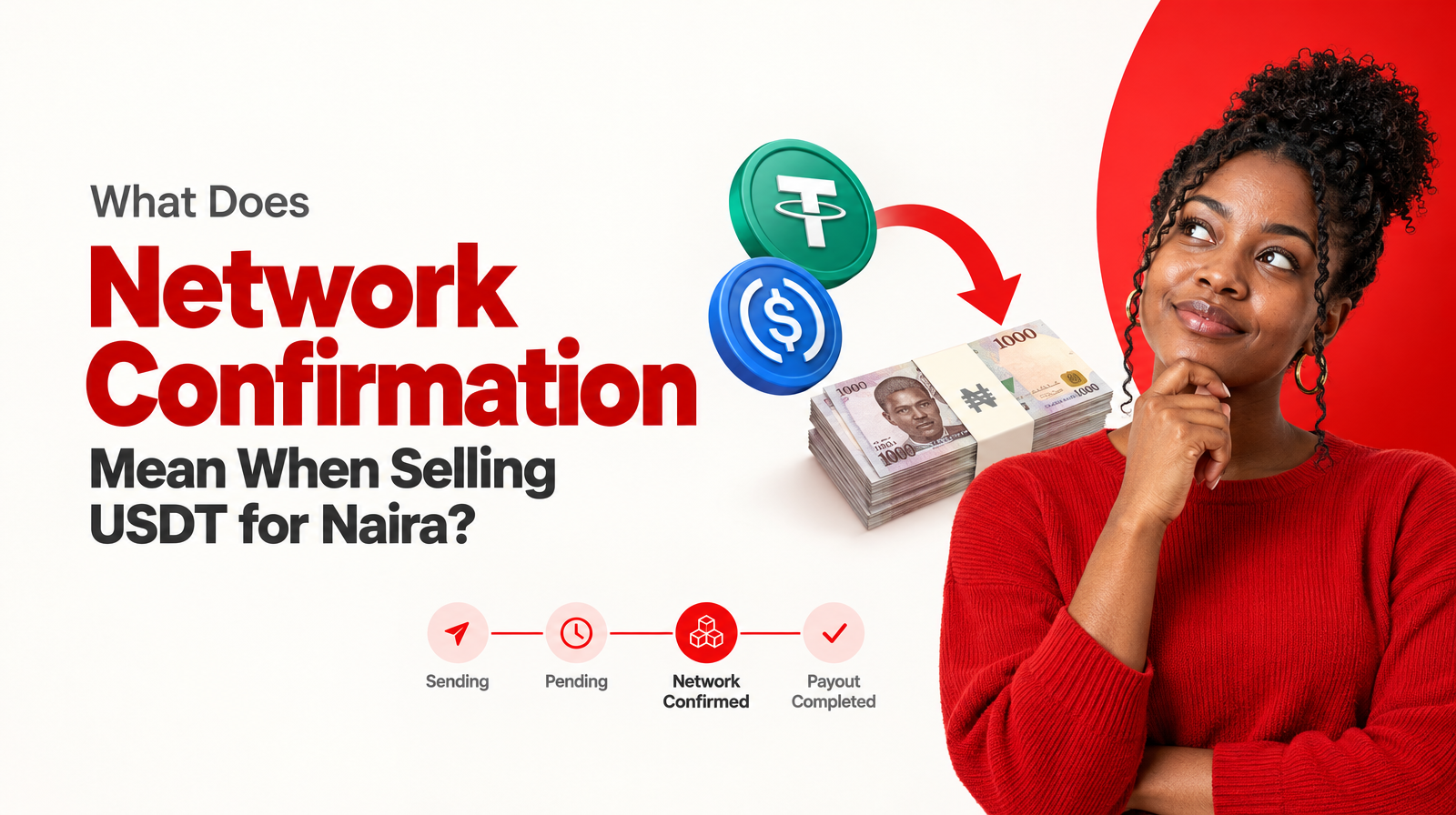
What happens after you pay?
After you pay through the one-time virtual account, the payment moves through confirmation. Once the payment is confirmed, Muno delivers the purchased USDT or USDC to the destination wallet provided for the purchase.
The delivery destination does not change the need for patience or accurate information. Payment confirmation and crypto delivery are stages in the purchase process. You should follow the current status and instructions shown by Muno rather than assuming that sending Naira alone completes the transaction immediately.
For a closer explanation of the post-payment sequence, see What Happens After Paying to Buy USDT or USDC With Naira?.
What should you check before paying?
Use this checklist before sending Naira for USDT or USDC.
Confirm the asset
Check whether the purchase is for USDT or USDC. Do not rely on a previous order or an old screenshot.
Confirm the network
Muno currently supports these assets as SPL tokens on Solana. Your destination wallet must support the selected asset on that network.
Confirm your wallet
Make sure the destination belongs to you or is the wallet you deliberately selected. Check that you can access it and that the address is copied accurately.
Confirm the payment route
Muno’s buy process uses a one-time virtual account, not direct payment to a P2P seller. Review the current payment instructions before transferring Naira.
Review the transaction details
Check the selected asset, destination details and any purchase information presented before you pay. If the information does not match what you intend to buy, stop and review it.
Complete account requirements
Muno identifies NIN verification and authenticator 2FA as part of its account and security process. Complete the required steps shown for your account before proceeding.
Keep your wallet credentials private
Muno will not need your wallet recovery phrase or private key to deliver purchased crypto. Do not share those credentials with anyone.
What non-custodial does not mean
Non-custodial does not mean that every wallet or network is supported. It does not mean that you can send payment using old instructions, select any token version or ignore the destination address.
It also does not guarantee that an incorrect wallet address or unsupported network can be corrected after submission. Crypto transactions require the asset, network and destination to match the purchase instructions.
The practical lesson is simple: non-custodial gives you a clear destination for the purchased crypto, but you still need to check that destination carefully.
The key takeaway for Nigerian buyers
When buying USDT or USDC with Naira through Muno, non-custodial means the purchased crypto is delivered to your own compatible wallet after payment confirmation. Muno does not maintain a customer crypto balance between transactions.
Muno’s buy route uses a one-time virtual account instead of direct payment to a P2P seller. Before paying, confirm:
- The asset: USDT or USDC.
- The network: SPL on Solana.
- The destination wallet: compatible and accessible.
- The payment instructions: current and specific to the purchase.
- Your account and security requirements: completed where required.
The simplest way to remember the route is:
Naira in, supported USDT or USDC to your own wallet.